
 English
 Arabic
 French
 Portuguese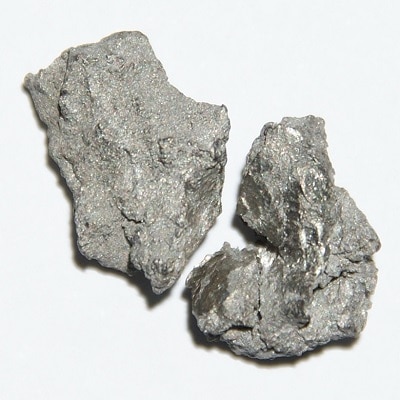
Wholesale Bulk Zirconium
₦2,200 / Piece
1000 Pieces (MOQ)
Zirconium is a chemical element with the symbol Zr and atomic number 40. The name zirconium is taken from the name of the mineral zircon (the word is related to Persian zargun (zircon; zar-gun, “gold-like” or “as gold”)), the most important source of zirconium. It is a lustrous, grey-white, strong transition metal that closely resembles hafnium and, to a lesser extent, titanium. Zirconium is mainly used as a refractory and opacifier, although small amounts are used as an alloying agent for its strong resistance to corrosion. Zirconium forms a variety of inorganic and organometallic compounds such as zirconium dioxide and zirconocene dichloride, respectively. Five isotopes occur naturally, three of which are stable. Zirconium compounds have no known biological role.
Zirconium-bearing compounds are used in many biomedical applications, including dental implants and crowns, knee and hip replacements, middle-ear ossicular chain reconstruction, and other restorative and prosthetic devices. Zirconium binds urea, a property that has been utilized extensively to the benefit of patients with chronic kidney disease. For example, zirconium is a primary component of the sorbent column dependent dialysate regeneration and recirculation system known as the REDY system, which was first introduced in 1973. More than 2,000,000 dialysis treatments have been performed using the sorbent column in the REDY system.
Although the REDY system was superseded in the 1990s by less expensive alternatives, new sorbent-based dialysis systems are being evaluated and approved by the U.S. Food and Drug Administration (FDA). Renal Solutions developed the DIALISORB technology, a portable, low water dialysis system. Also, developmental versions of a Wearable Artificial Kidney have incorporated sorbent-based technologies.
1 Review For This Product
General Inquiries
There are no inquiries yet.
by wwwavantetrade
Nice